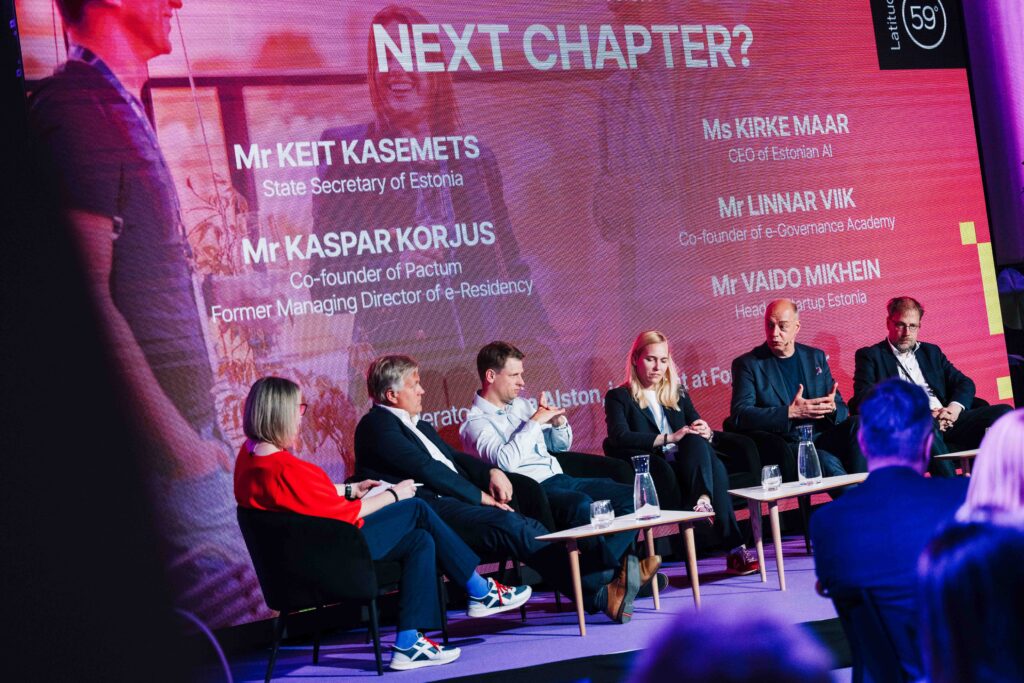
For much of the past two decades, Estonia’s startup story has been defined by firsts. The country built one of the world’s most advanced digital societies, produced globally recognized technology companies and established itself as a place where ambitious founders could build internationally from day one.
Today, however, the conversation is shifting. Estonia no longer needs to prove that successful startups can emerge from a country of just 1.3 million people. The more interesting question is what comes next, and who will build it.
The answer is unlikely to be found in a single technology, sector or company. Rather, it lies in how the ecosystem itself is evolving, with areas such as defense and dual-use technologies gaining increasing attention alongside AI and deep tech.
Across Europe, speed has become an increasingly important competitive advantage, prompting researchers, founders and investors to move faster from idea to execution. Researchers are exploring commercial applications earlier, investors are paying closer attention to science-based ventures, and founders are looking beyond traditional software models to solve challenges in defense, energy and advanced manufacturing.
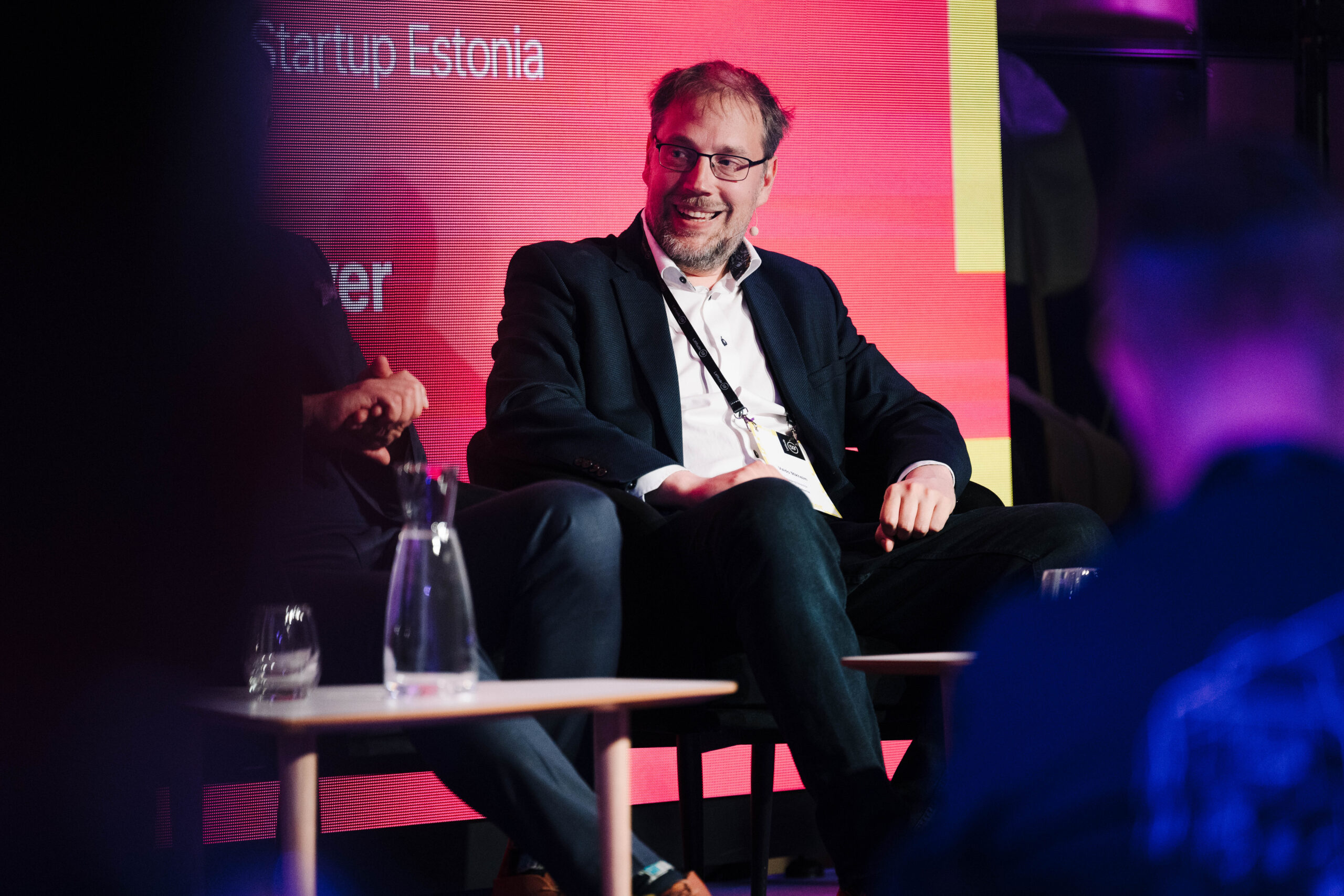
As the organization tasked with supporting Estonia’s startup ecosystem, Startup Estonia has a front-row seat to these developments. What is particularly encouraging is the willingness of different parts of the ecosystem to work together and move ideas more quickly from laboratories and prototypes to global markets.
This reflects a broader shift in how value is created. While Estonia’s first startup successes were largely built on software, the next generation of growth is likely to come from companies capable of turning complex ideas into scalable businesses and industrial capability. It is a natural progression for an ecosystem that has spent years building talent, attracting international capital and strengthening connections at home and across the wider region.
What makes Estonia particularly well positioned for this next chapter is the speed at which people can find partners, make decisions and turn plans into action. The same spirit is increasingly visible across the Baltics and New Nordic region. Founder- and builder-led communities such as ruum in Tallinn, Shipyard in Riga, FR8 in Helsinki, Founders House in Stockholm and basedcollective_ in Vilnius reflect a growing demand for spaces where entrepreneurs, operators, investors and creators can learn from one another and build together. Just as importantly, they help create pathways for the next generation of founders to find collaborators, test ideas and become part of the ecosystem.
This interconnectedness reinforces one of Estonia’s long-standing strengths: the ability to adapt quickly and recognize opportunities early. Many of the country’s most notable successes, from digital government and startup entrepreneurship to e-Residency, began as ambitious ideas before they became internationally recognized examples of innovation.
That same mindset continues to shape the ecosystem today. New opportunities are already taking form through initiatives such as eesti.ai, which aims to accelerate AI adoption across Estonia. Others may still be emerging in university laboratories, startup communities, research centres or conversations between founders and investors. Some will succeed, others will fail, and many of the most transformative ideas may not yet be visible. That uncertainty is not a weakness of innovation ecosystems; it is precisely what makes them exciting.
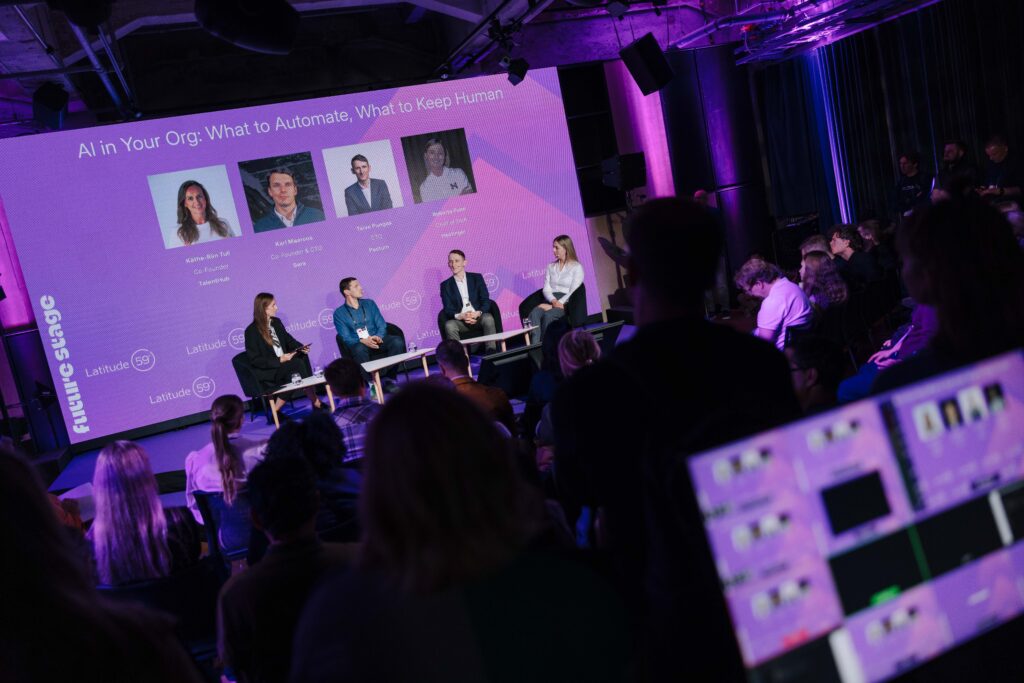
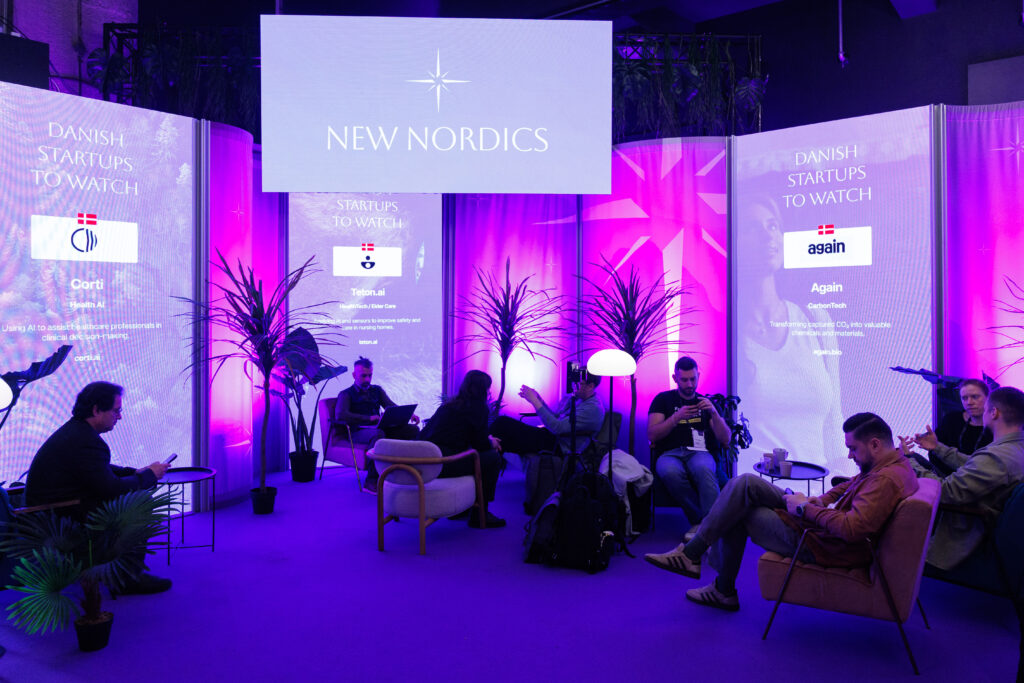
It is also why Latitude59 continues to play such an important role. More than a startup conference, it is a meeting place for the people exploring what the future might look like and how it can be built. This year, it was particularly encouraging to see the introduction of a dedicated New Nordic area, reflecting the growing interconnectedness of the region’s startup ecosystems. That collaboration also extends beyond a single event: Startup Estonia and our New Nordic partners are working together through joint delegations and ecosystem initiatives, from this week’s Hello Tomorrow conference in Amsterdam to the Nordic Singapore Innovation Days later this year.
The most exciting thing about Estonia’s startup ecosystem has never been what it has already achieved. It is its ability to keep evolving, embrace new challenges and explore opportunities before they become trends.
That is what makes Estonia a place where what’s next is not simply discussed, but actively built.
Let Estonia show you what’s next.
Blog post by EIS.