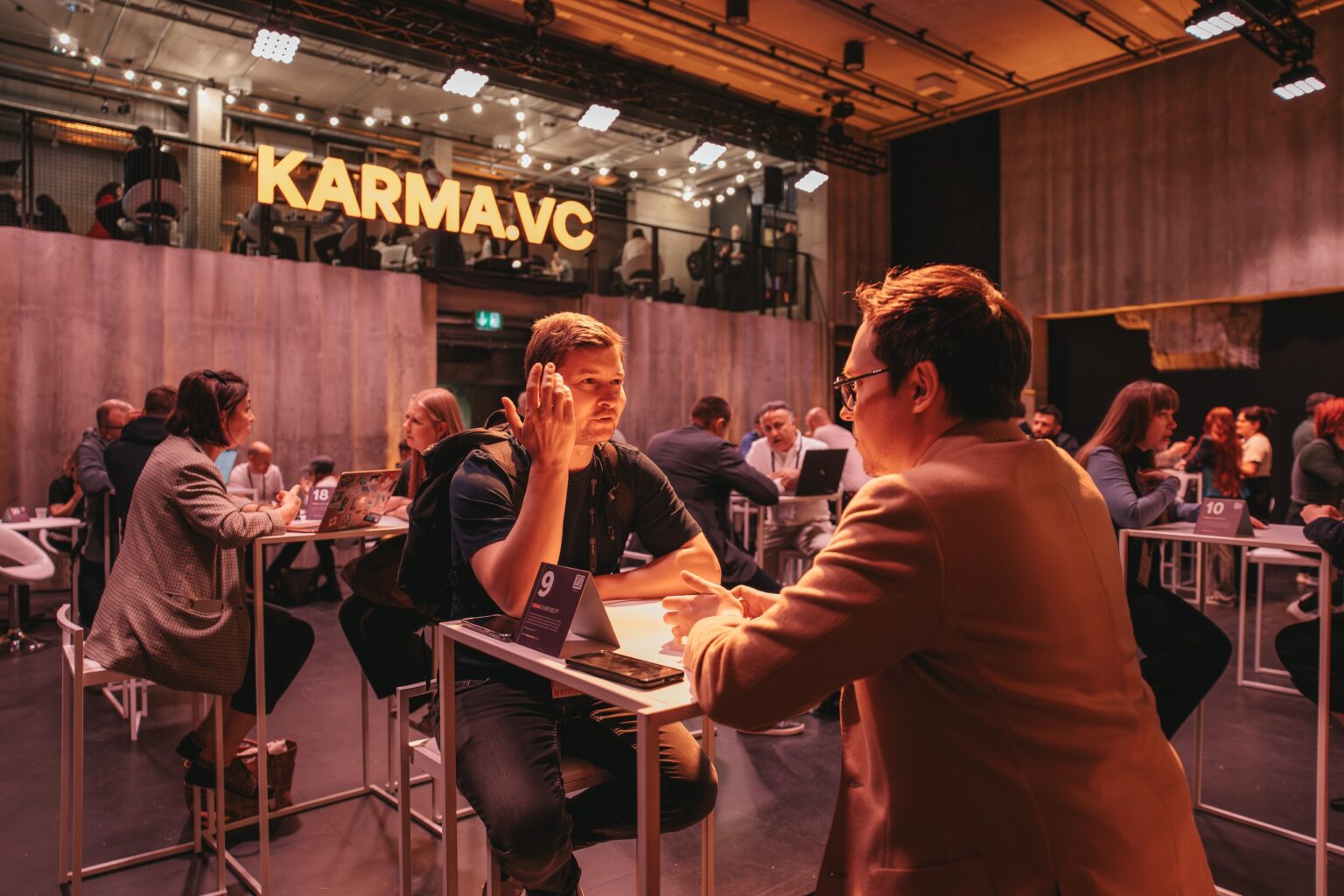
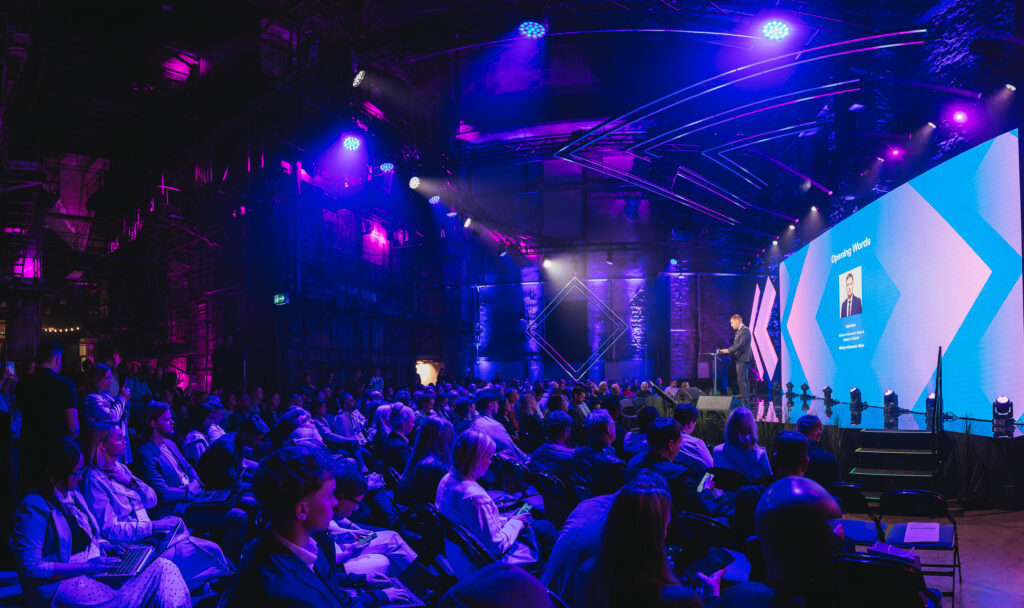
For three days in May, 3,000 founders, investors, and builders from 70 countries landed in Tallinn to connect, discover, and build what’s next. The 14th edition of Latitude59 brought the world to the New Nordics and gave the New Nordics a global stage.
3000+
attendees
70
countries
140+
speakers
600
investors
800
startup reps
50+
partners
20
delegations
Inside the 14th edition of Latitude59
In May 2026, 3,000+ people from 70 countries came together in Tallinn for the Global Village Experiment — a bet that the most valuable connections happen when different ecosystems collide.
In her opening speech Liisi Org, Latitude59 CEO, said: “The world is spinning a bit faster, maybe not always in the direction we want it to, and there’s a lot of uncertainty. But we are not giving up on our bold dreams and our global village vision as we all have this universal need to be part of something bigger. That is why, this year at Latitude59, we are telling the New Nordics story louder than ever.“
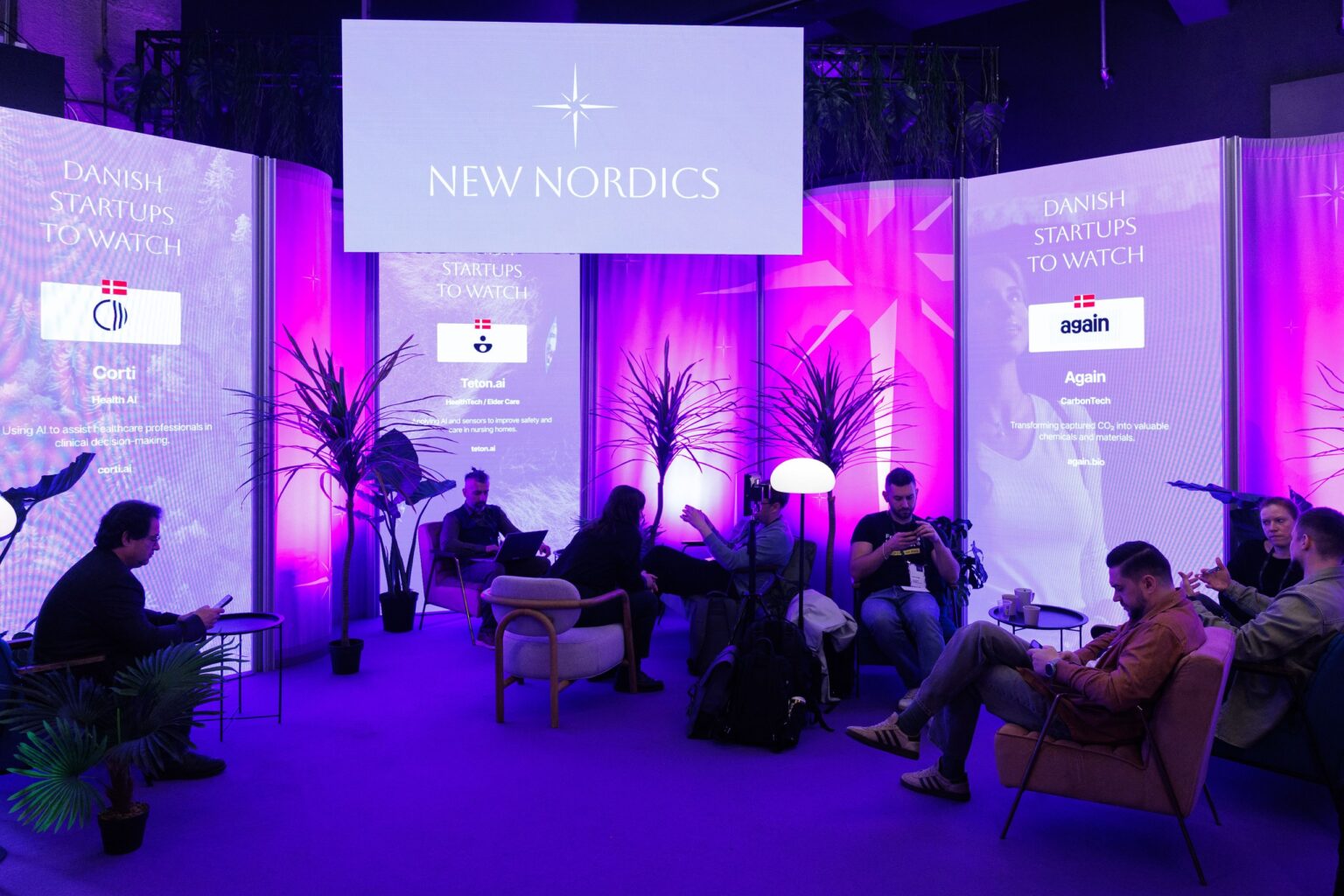
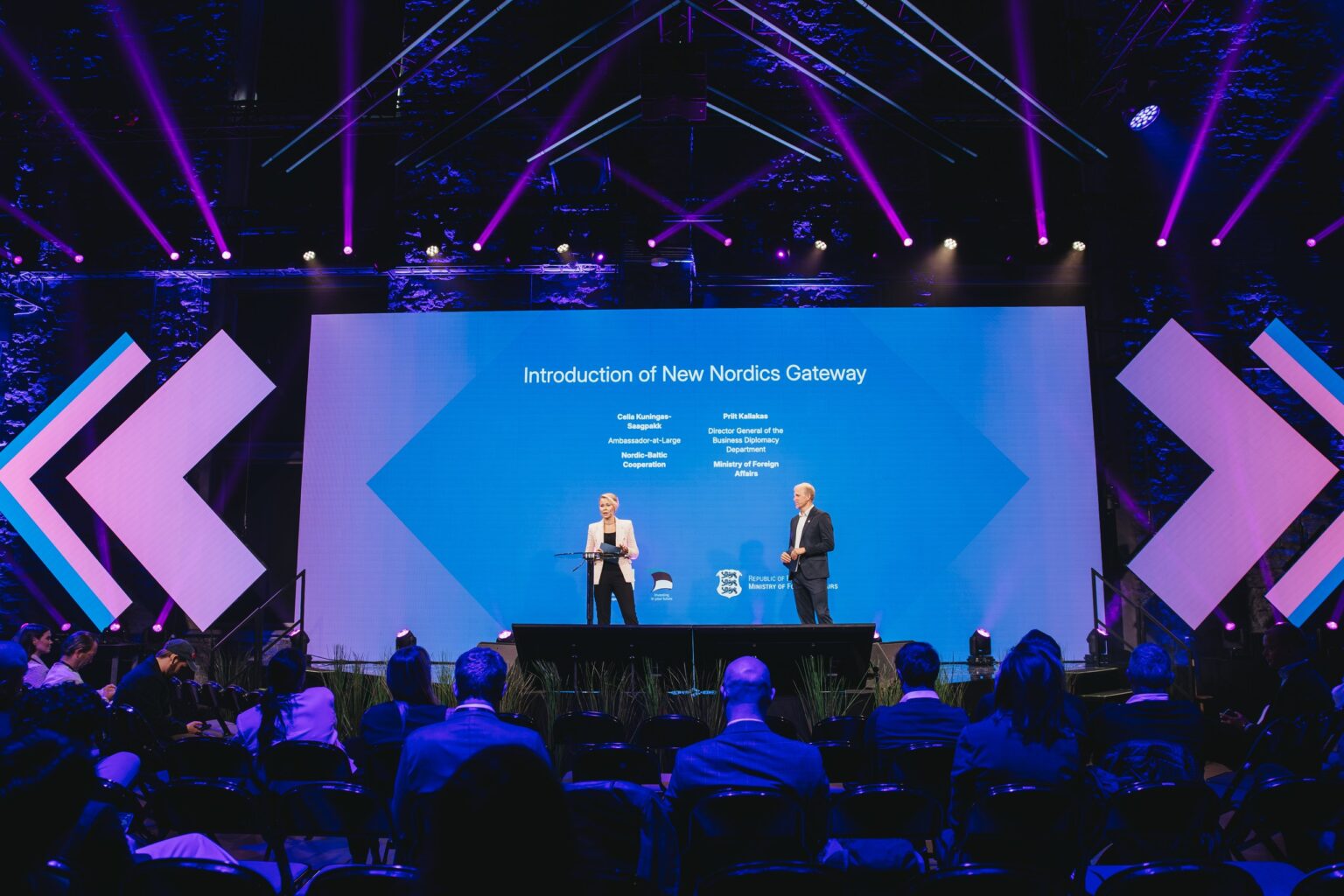
The New Nordics had always been part of Latitude59, but this year we made it impossible to miss. The Baltic and Nordic countries form a region with shared democratic values and digital thinking. This region gave the world Skype, Wise, Spotify, Klarna, and Bolt. To bring that story to life, we introduced the New Nordic Gateway area, officially opened by Estonia’s Ambassador for Nordic-Baltic Cooperation.
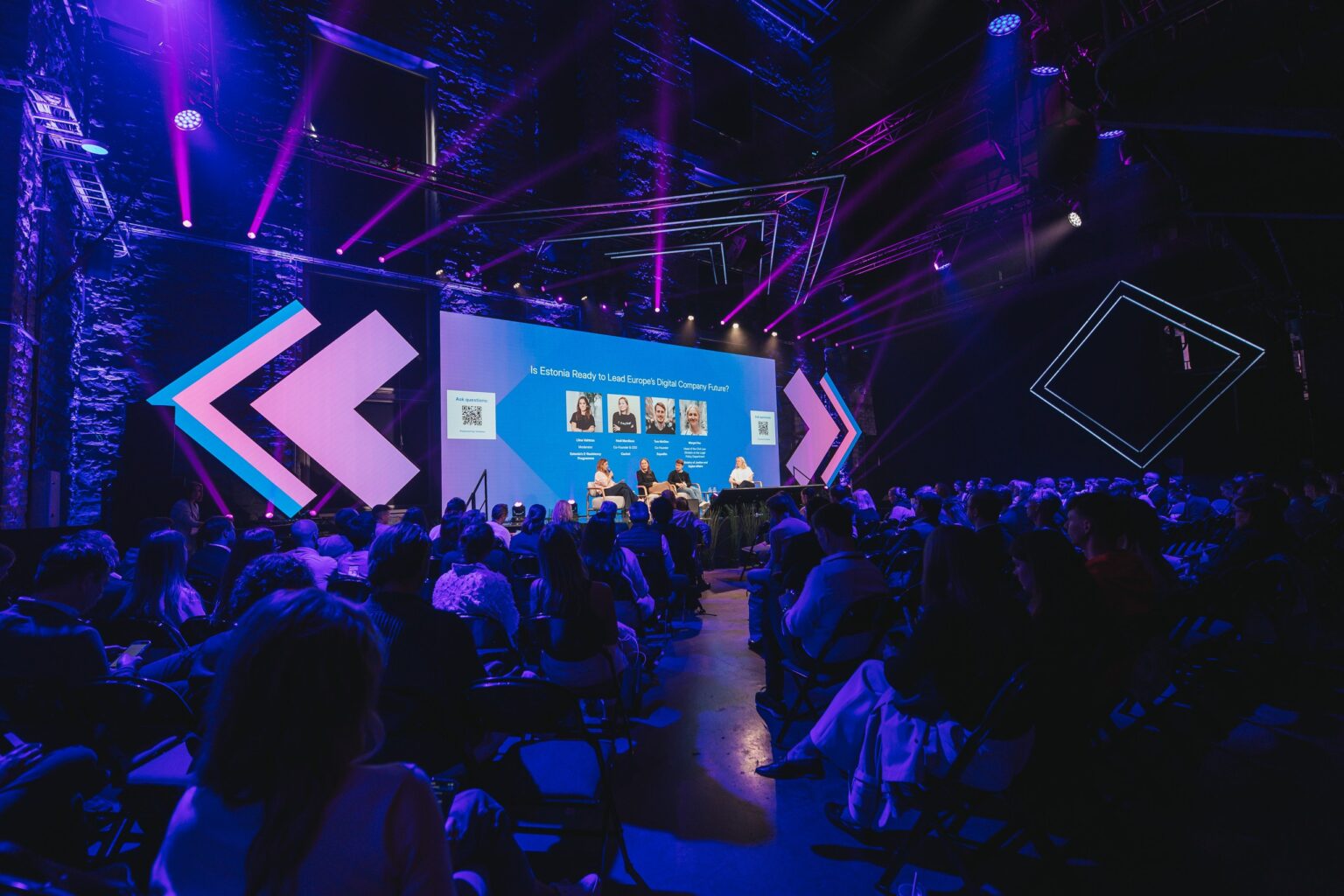
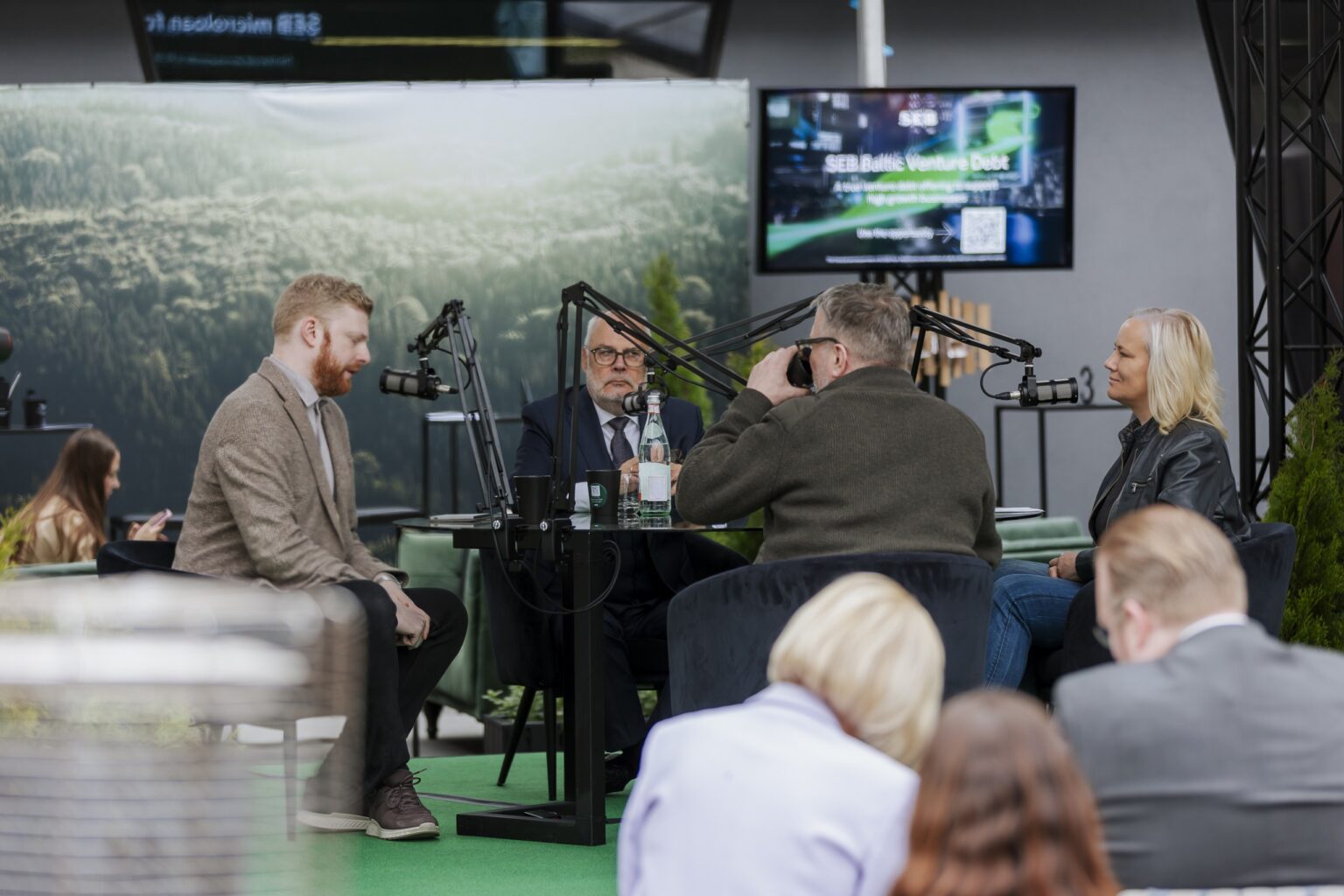
True to the New Nordics theme, the discussions on stage also answered the question of what it actually takes to build globally from a small market. On the Bold Stage, Future Stage, and Podcast Stage powered by SEB, speakers tackled the topics defining the moment, including AI, deep tech, and defence. As always, the Pitching Stage gave the next generation of founders their shot, competing for a prize fund of €450K.
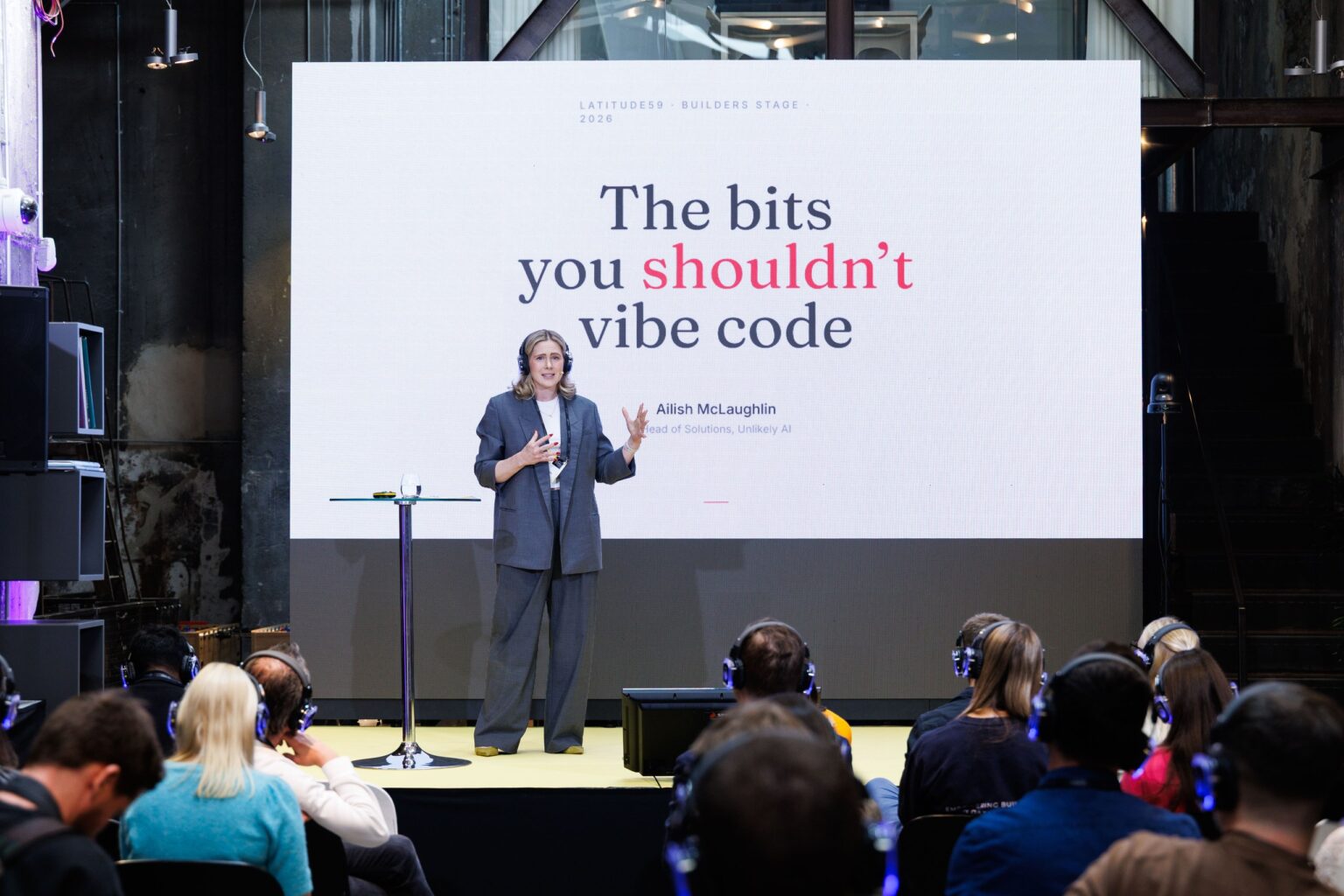
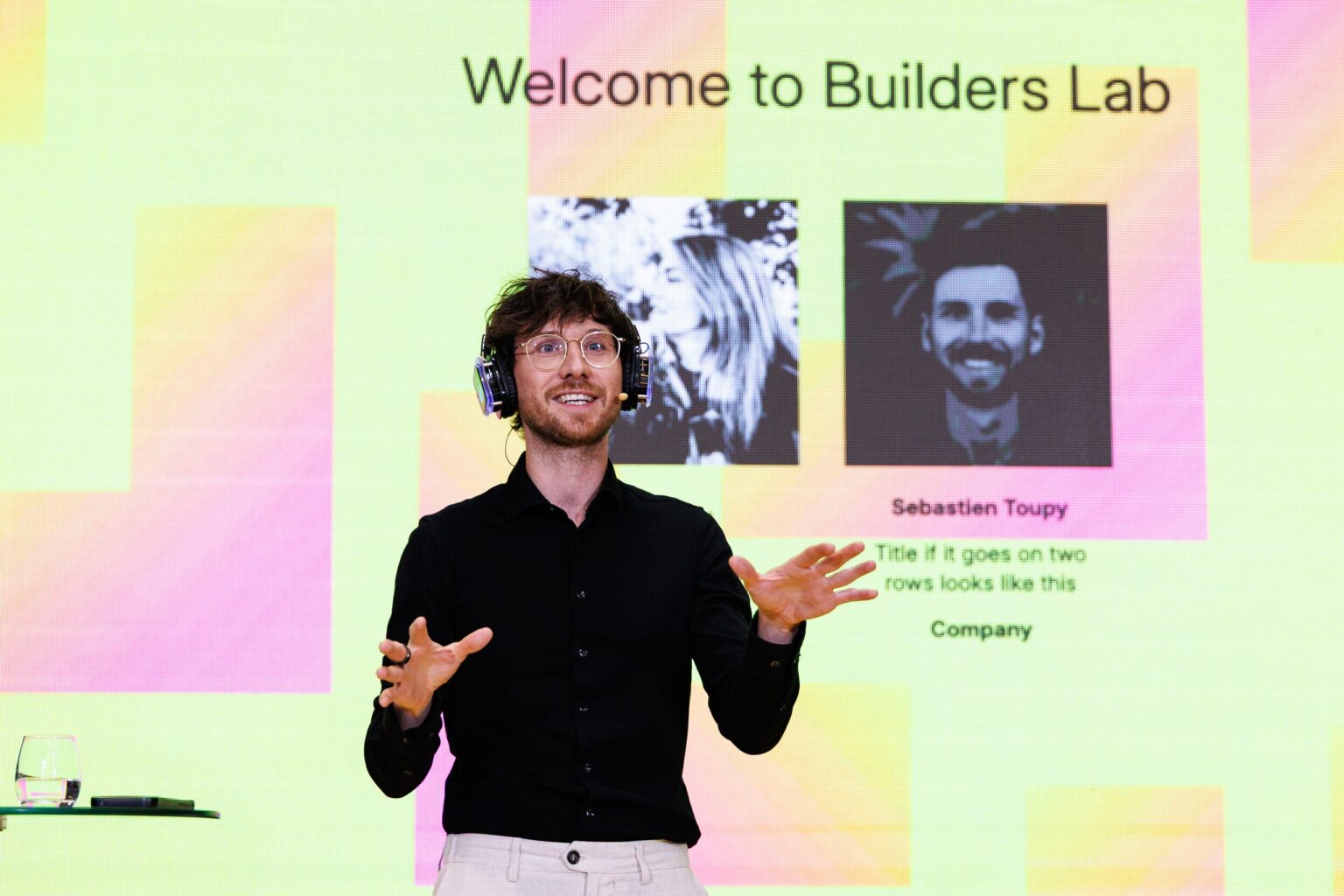
This year we introduced a new stage for the builders: engineers, designers, vibe coders, and domain experts with a specific problem they wanted to solve. The Builders Lab, went beyond theory: Day 1 brought real product stories from tech companies and successful solo builders, and Day 2 turned the Lab into a hacker space, where anyone could show up with their product and get hands-on advice.
Latitude59 Pitch Competition 2026
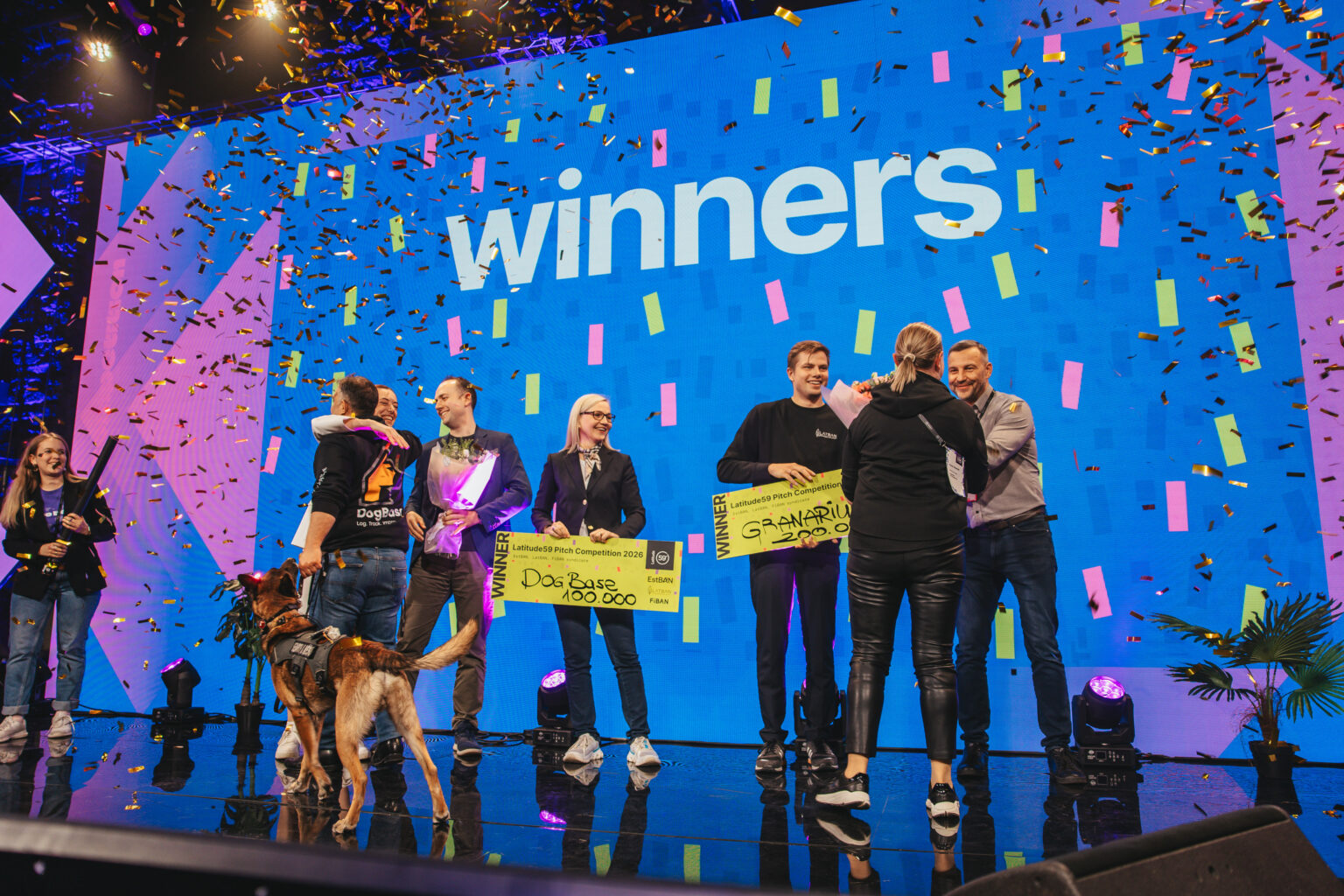
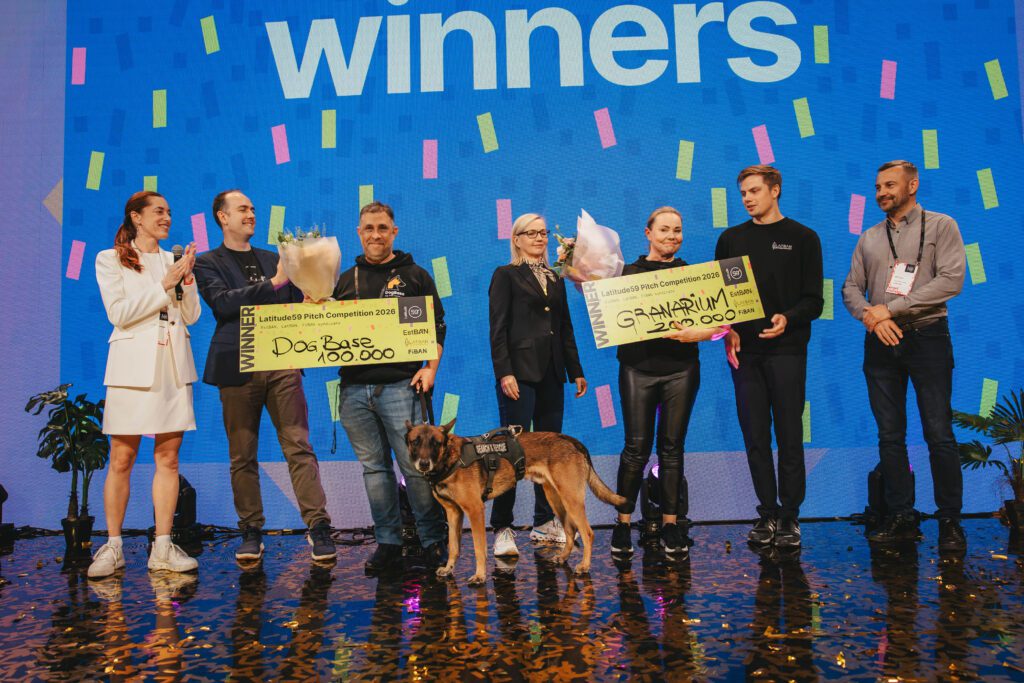
This year’s competition drew 465 applications from 53 countries. Seven finalists pitched live on the Bold Stage on May 22. The winners were chosen by a syndicate of New Nordic angel networks: EstBAN, LatBAN, and FiBAN, alongside Lithuanian VC fund FIRSTPICK. €450,000 in syndicated investment was awarded to winning startups from Estonia, Finland & Lithuania.
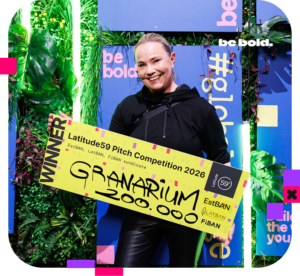
Finnish deep-tech startup Granarium Technologies received up to €200,000 and builds 100% renewable supercapacitors from nanocellulose and activated carbon, designed to stabilise electricity grids and manage power fluctuations using locally sourced materials.
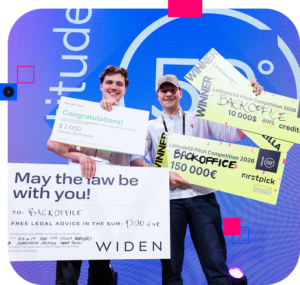
Lithuania’s Backoffice received €150,000 and is building a workforce management platform for restaurants — replacing the 5+ fragmented systems most hospitality businesses run today with one integrated solution.
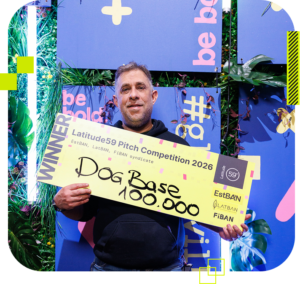
Estonian AI startup DogBase received up to €100,000 and is developing a training platform for working and rescue dogs, replacing paper logs and spreadsheets with mobile tools that track training progress, certifications, and health data.
Bold talks, builder stories and future thinking
The main program of Latitude59 2026 ran across five stages at Kultuurikatel on May 21 and 22. From macro forces shaping the world to the technical craft of building products, every stage had a different angle on the same challenge — how do you build something meaningful in a world moving this fast?
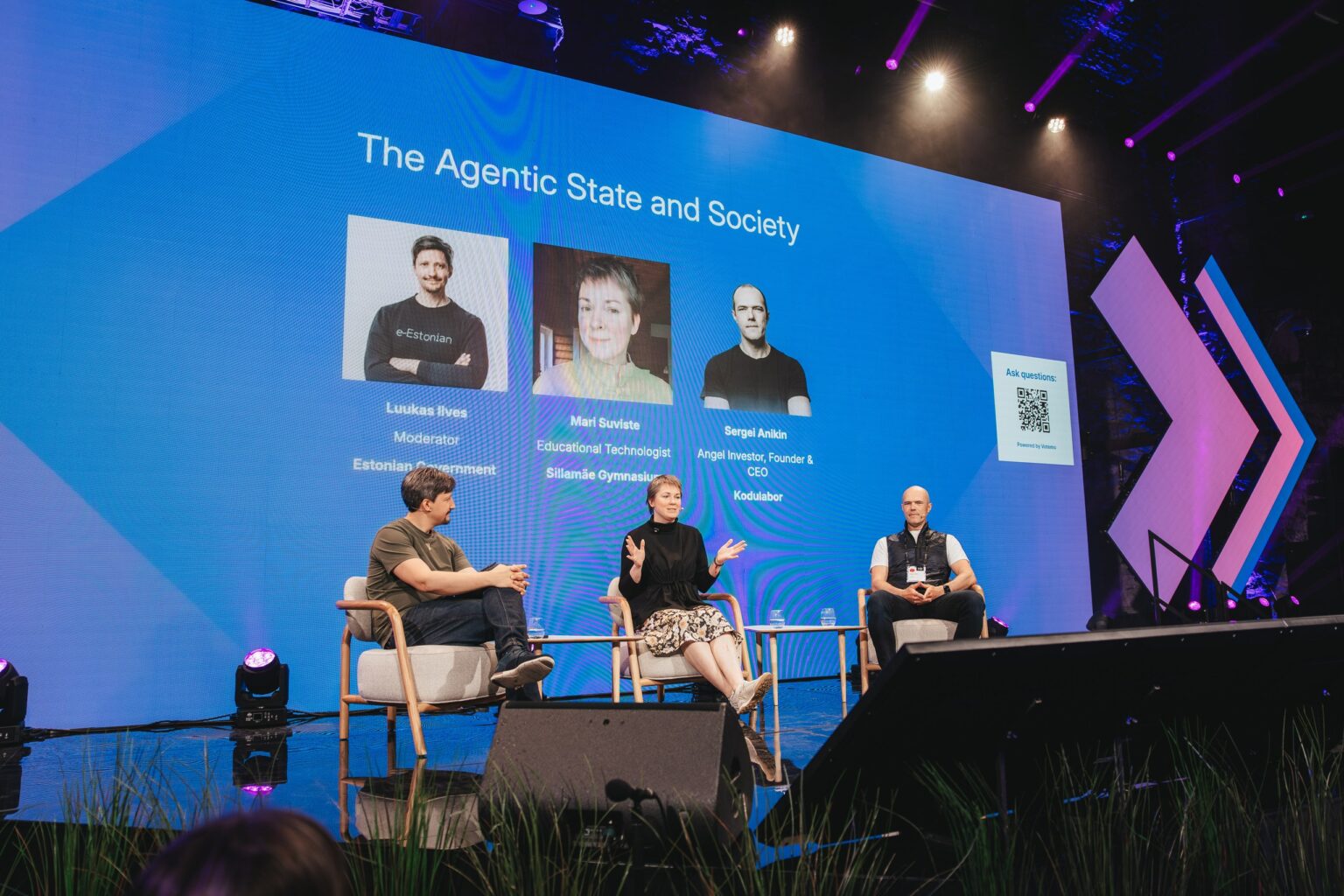
Two days of conversations on the macro forces shaping technology, society, and innovation — AI, defence tech, Europe’s innovation race, healthtech, and what it means to build globally from a small market. Founders, policymakers, and investors sharing the same stage. Sessions included “From Estonia to the Frontline: Building on NATO’s Eastern Flank” and “Picking Your People Matters More Than Ever: The Starship Story”.
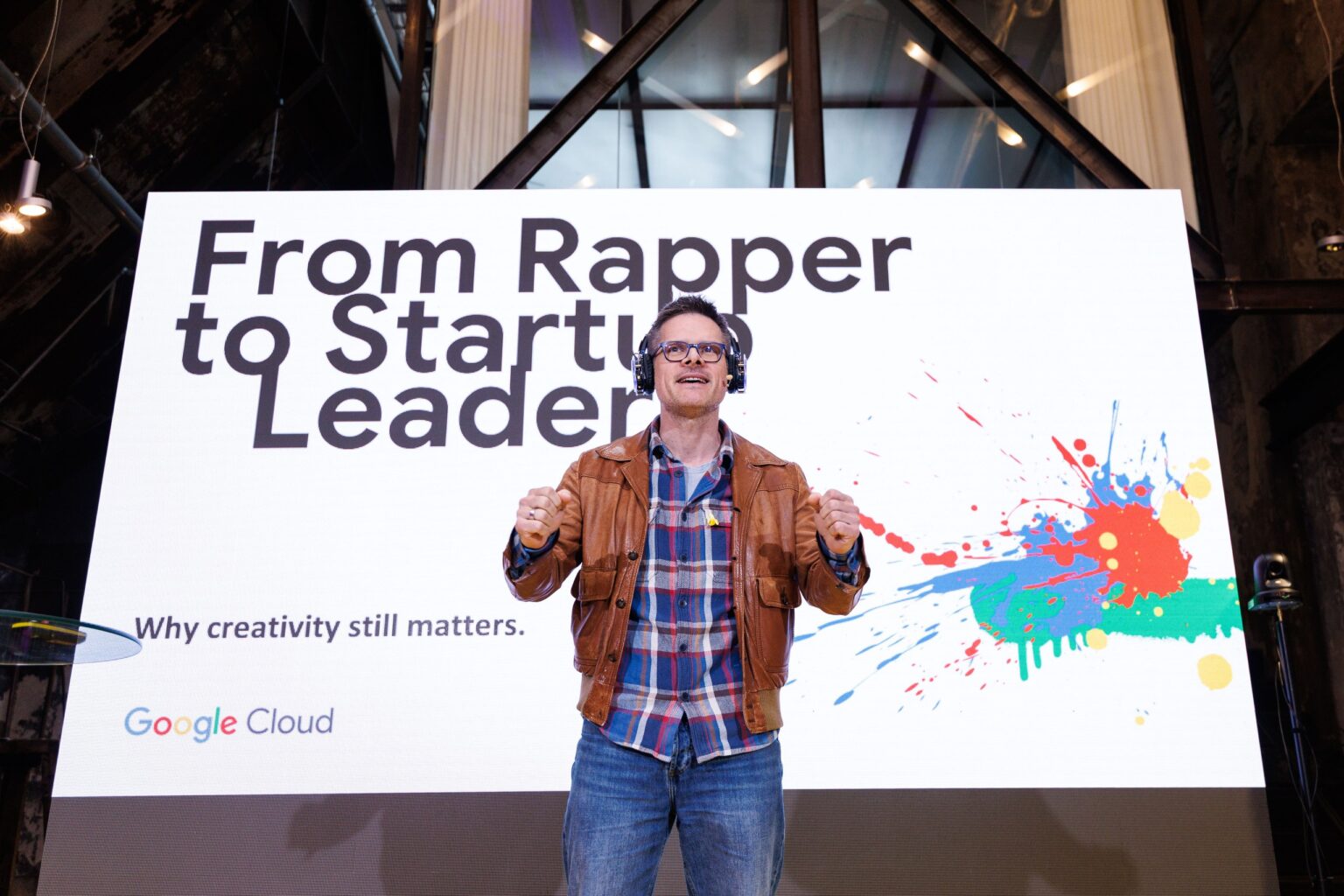
New in 2026. While most conferences focus on founders and funding, the Builders Lab focused on the craft of building great products in 2026. Day 1 featured real stories from builders, including sessions like “How Graffiti Made Me Join Google Cloud” and “The Bits You Shouldn’t Vibecode”. Day 2 was reserved for product demos and hands-on mentoring.
The Future Stage looked at where technology is actually heading — AI adoption in organisations, the timing of the AI startup wave, the future of payments, and what digital identity means in an AI era. Sessions included “AI in Your Org: What to Automate, What to Keep Human” and “Designing a Utopian or Dystopian Future: Lessons from Literature for Builders & Founders.”
Located right at the heart of all the startup buzz during the Latitude59 conference – the Demo Area on the 2nd floor! This is where everyone tuned in to the hottest early-stage startups, pitching what they’ve got!
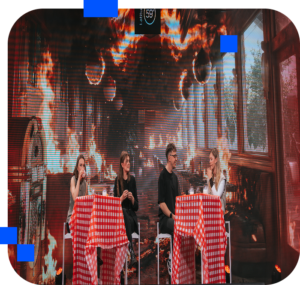
Longer-form conversations with founders, investors, and operators. The podcast stage gave regional and international podcasters a chance to record an episode with a little twist, in the middle of the Latitude59 outdoor area.
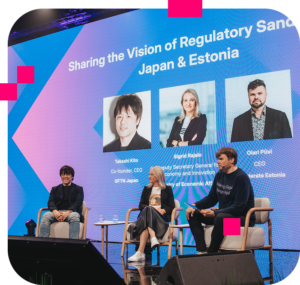
The official opening event of Latitude59 2026. Canada’s Minister of Foreign Affairs Anita Anand and Takeshi Kito (GFTN Japan) delivered the keynotes. Estonia’s Sigrid Rajalo presented the national approach while Bolt’s Triin Toimetaja and Wolt’s Irina Kuzina shared what it actually takes to enter a regulated market. The message across all sessions: legal frameworks must keep pace with technology, or innovation moves elsewhere.
A curated afternoon for the Baltic and Nordic investor community. First, Practica Capital presented the Baltic Funding Report. Then came Burning Questions: four investors, hot chicken wings, and questions that got harder as the sauce got hotter. The afternoon closed with a guided tour of Linnahall, one of Tallinn’s most historically significant sites, while the evening was reserved for the LP-GP meetup.
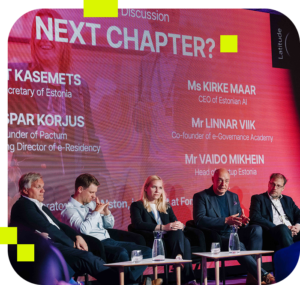
Latitude59 welcomed accredited journalists, editors, and reporters to hear from State Secretary of Estonia Keit Kasemets, CEO of Estonian AI Kirke Maar, and Kaspar Korjus, co-founder of Pactum and former Managing Director of e-Residency. A panel discussion followed with Kasemets, Maar, Korjus, and Linnar Viik, moderated by Fiona Alston.