Driverless cars are no longer just prototypes, test vehicles, or eye-catching demo videos. In the US and China, they are already carrying passengers, operating commercially, and becoming part of everyday urban mobility.
Europe is beginning to move too, but it needs its own path. The cities, regulations, and safety expectations are different, which means driverless mobility cannot simply copy the US or Chinese model. It needs to be trusted, disciplined, and built for European conditions.
For Bliq, the question was not only how to build driverless mobility for Europe, but where to start. The answer led the company to Estonia.
Beyond robotaxis
When people talk about driverless cars, they usually picture robotaxis. Bliq sees the opportunity differently. For the company, the bigger long-term shift is not replacing private mobility, but upgrading it: keeping the comfort, privacy, and familiarity of your own car, while removing the need to park it, clean it, and drive it yourself. It gives you the same personal space you already value, with more freedom and peace of mind during the journey.
That view comes from Bliq’s own experience in mobility. Its first business helped ride-hailing drivers manage work across platforms and later grew into a consumer transport product with nearly €20 million in gross bookings. But as driverless vehicles moved from research into deployment, the company made a clear decision: the future of mobility would not be built around more human-driven rides, but around making driverless cars an integral part of how people move.
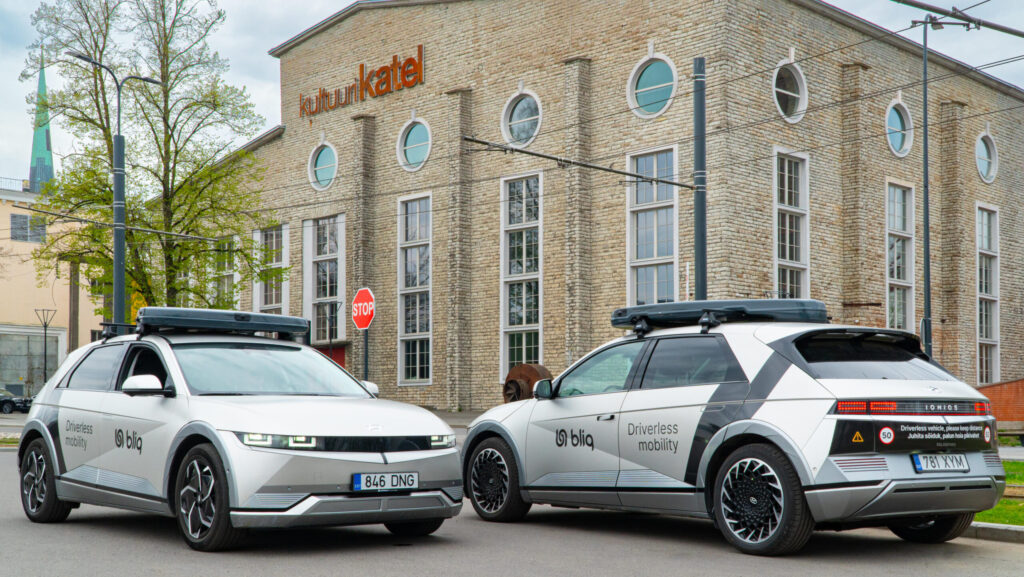
Bliq turns existing software-defined vehicles into driverless passenger cars for everyday use. It starts with vehicles people already know and trust, such as the Hyundai IONIQ 5, and builds the driverless layer around them. In the long term, Bliq’s ambition is that any private car could become driverless.
The first version of that future is not yet a mass-market retrofit installed overnight. It is a carefully operated service for private users and businesses, designed around safety, reliability, and locally based human supervision. Supervision adds an extra safety layer and helps make driverless rides possible in cities today, without waiting for the distant promise of full autonomy with no human oversight at all.
A driverless car is only useful if the service around it works. That requires public-road operation, close cooperation with authorities, and a market willing to help shape how driverless mobility enters everyday life. That is what led Bliq to Estonia.
Why Estonia?
Once Bliq knew what it wanted to build, the next question was where it could become real first. Estonia stood out because it is one of the few markets where ambition and practicality meet. It is open enough to let new mobility models reach public roads, digitally mature enough to make the learnings credible, and compact enough to help a European startup move fast without losing operational control.
Permission to operate
Estonia already has muscle memory for this kind of mobility innovation. It was one of the first countries to allow the testing of self-driving vehicles on public roads, and autonomous buses, delivery robots, and remote-controlled vehicle models have already been part of the local mobility conversation.
For Bliq, the first market had to be a place where early trust could be earned and where there was a clear regulatory path from testing, through certification, to deployment.
Digital trust and early adopters
Driverless mobility asks people to trust software with something very physical: movement through a city. Estonia has an advantage here. It is known as a digital society, where public services, identity, payments, and entrepreneurship are deeply shaped by technology.
That makes Estonia a strong first market for a product that needs curious, tech-savvy users who are willing to try something new and give feedback early.
Small enough to move fast, real enough to matter
Tallinn is large enough to produce meaningful mobility patterns, but compact enough to make first-fleet operations manageable. That matters when a company is running vehicles, charging them, cleaning them, supervising rides, and learning from every trip.
At the same time, Estonia offers real European conditions in all seasons: sun, wind, rain, snow, darkness, mixed roads, and everyday urban traffic. That daily complexity makes the learning faster and more useful.
A connected European beachhead
Estonia gives Bliq a strong first base in a region where digital infrastructure, startup culture, and mobility innovation are developing quickly. It also keeps the company close to its Berlin roots while placing its first operations in the Baltics, with natural links to the Nordics and wider European markets.
For Bliq, geography is part of the strategy. Estonia allows the company to operate, learn, and grow from a market that is both focused and internationally connected.
What Bliq is building in Tallinn
In Tallinn, the work now becomes very practical: making the service reliable enough for people to use.
Bliq has already received a permit to drive on public streets in Estonia with a safety driver on the passenger seat and is now finalising the next approval with the Estonian Transport Administration: operating without a safety driver in the vehicle. When granted, that will be a major milestone for driverless mobility in Europe and the foundation for Bliq’s first full-scale service.
That preparation is already happening on the ground. Bliq’s vehicles are learning Tallinn street by street: collecting hours, validating routes, identifying edge cases, and checking for connectivity gaps before the service scales. In parallel, the company is working with the team from Metrosert, who help carry out safety and manoeuvre checks at their dedicated site.
That combination of public-road learning and controlled-environment work helps Bliq improve what matters most now: safety, reliability, and ride smoothness.
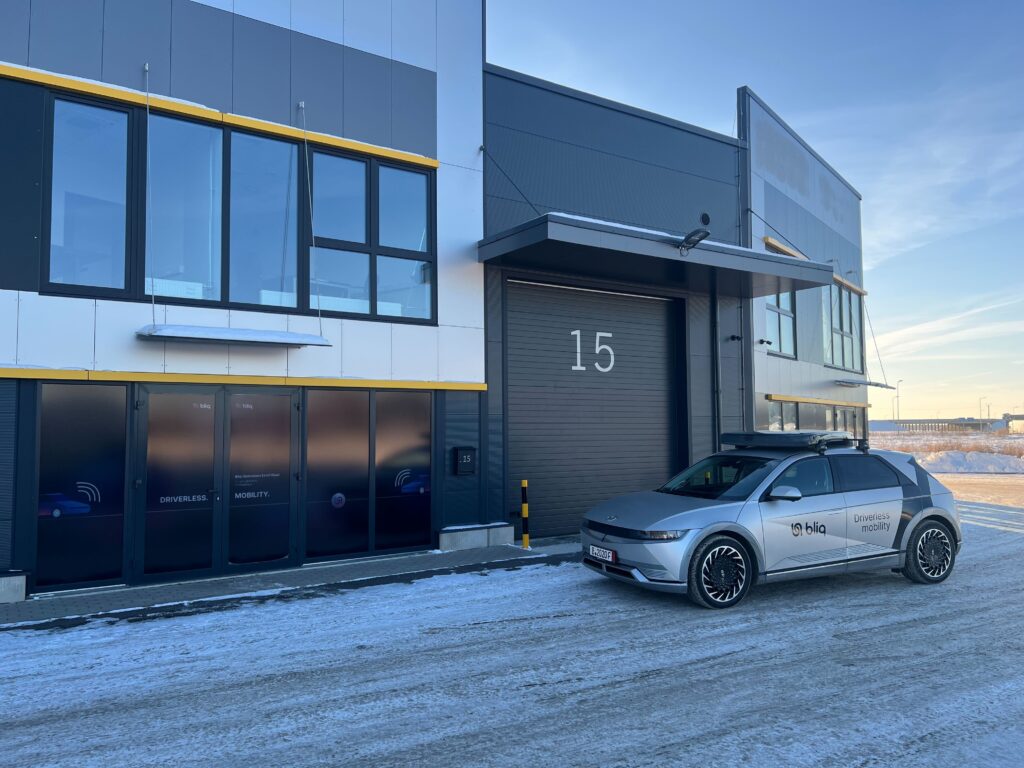
The company is also building that capability locally. Bliq already has an office in Tallinn, led by Country Manager Erik Safonow, who is responsible for turning the technology into a working operation on the ground. He is now hiring and training local supervisors – people who will know the city, support passengers, react quickly, and help improve the service every day.
Bliq’s first Tallinn setup is built around 10 vehicles, pre-booked rides through the app, and a service designed for private users and businesses. Latitude59 will be an important first public moment for that launch: a chance to bring the product to the people, companies, and partners who can help make the region one of Europe’s first homes for driverless mobility.
See you at Latitude59
Latitude59 is a natural place for this moment because it reflects what drew Bliq to Estonia in the first place: practical ambition, international reach, and proximity to people who are actually building. For Bliq, the event is a chance to bring its Tallinn work into the open and have direct conversations with the users, partners, operators, and investors who can help shape what comes next.
During Latitude59, attendees will be able to sign up for a Bliq ride through the ride signup link. Bliq is also planning a VIP transportation service during the event, giving selected guests and partners an early look at how private-use driverless mobility can work in practice.
People and businesses in Tallinn who want early access to the Bliq service can contact the company directly at kris@bliq.ai.
For Bliq, the driverless future is already becoming an operating question: how it works, who it serves, and who helps shape it. Estonia is where the company starts to get the answers.