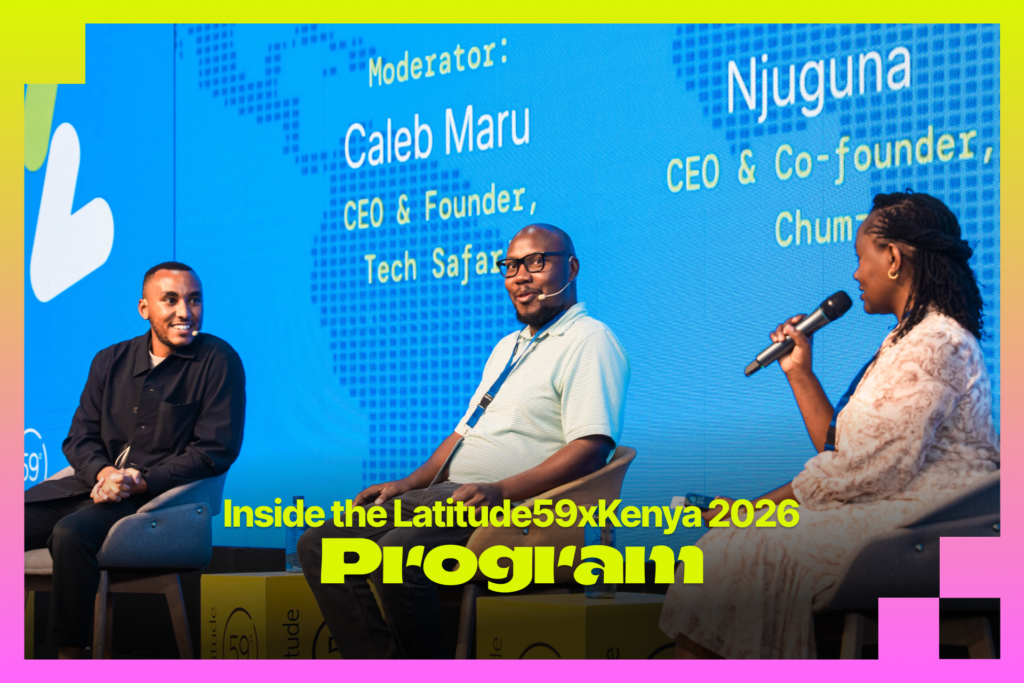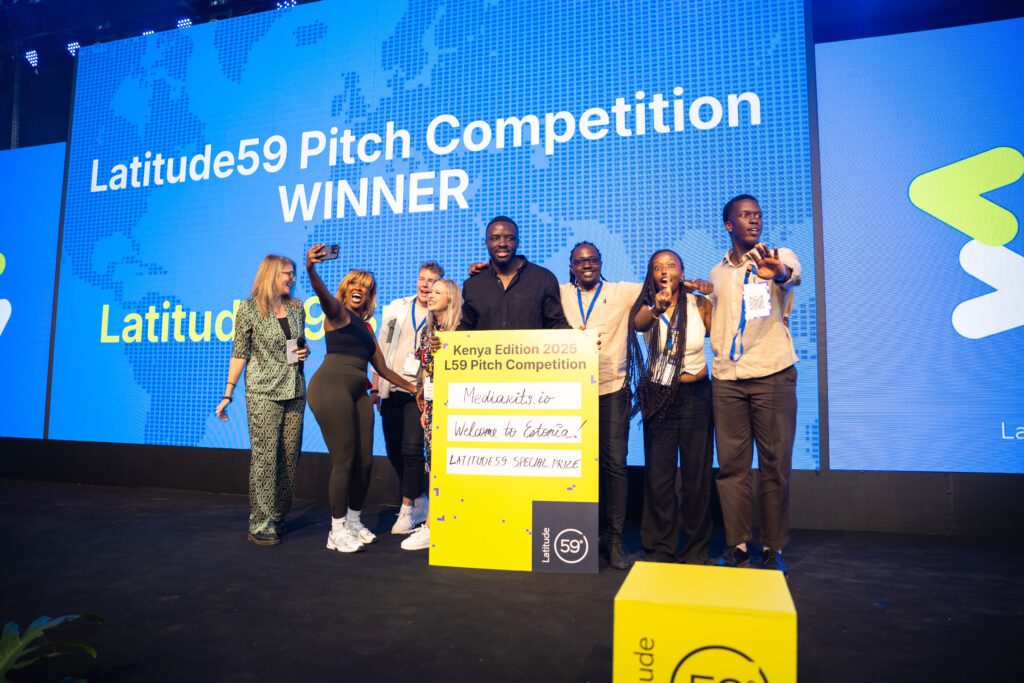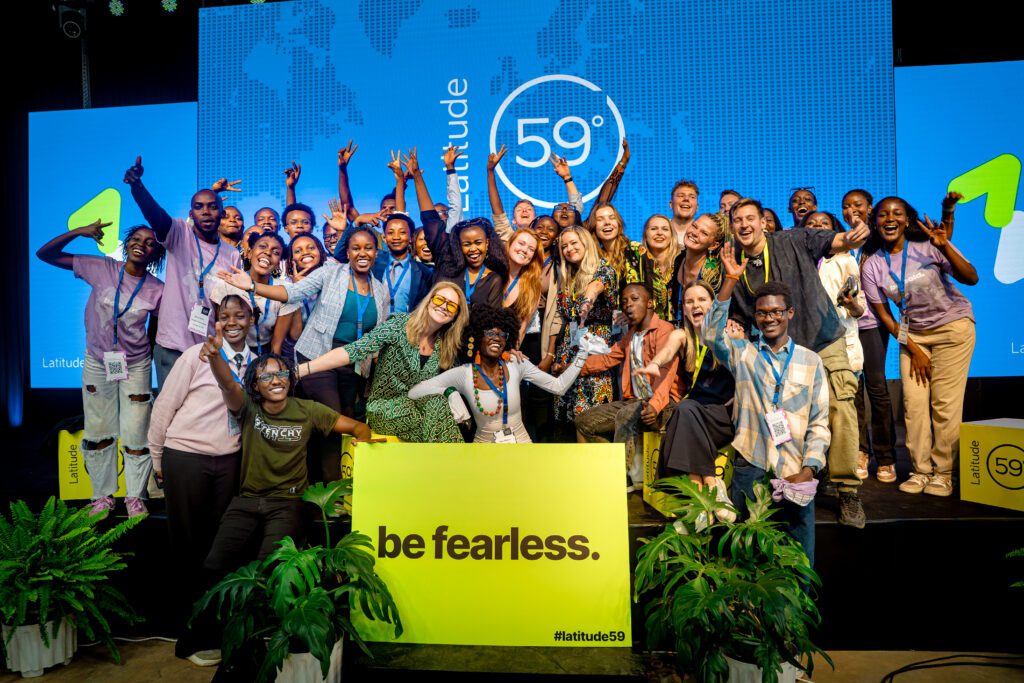
Liisi Org, the CEO of Latitude59, and Kai Isand, the Program Manager, on this year’s theme, why it matters now, and why these conversations need to happen in person.
Latitude59’s 2026 theme, The Global Village Experiment, starts from a contradiction that feels familiar to anyone in tech or startups today: the world is more connected than ever, yet also more fragmented.
Information moves instantly. Companies are building globally from day one. But political, economic and cultural divides are deepening, and trust between regions feels more fragile. For Latitude59, that makes one question especially relevant: if the world is already connected, how do we create connections that actually lead to something meaningful?
“For me it means that we do not build alone. I still carry the word Ubuntu with me – I am because we all are,” Liisi Org, the CEO of Latitude59, explains.
That is what the Global Village Experiment means in practice: not just bringing people from different countries into the same venue, but creating the conditions for founders, investors and ecosystems to actually build together.
“We like to think the world is fully connected. But in reality, it’s also becoming more fragmented than ever – politically, economically, culturally. So the question is not whether we’re connected, but how we connect. And whether those connections actually lead to something meaningful.”
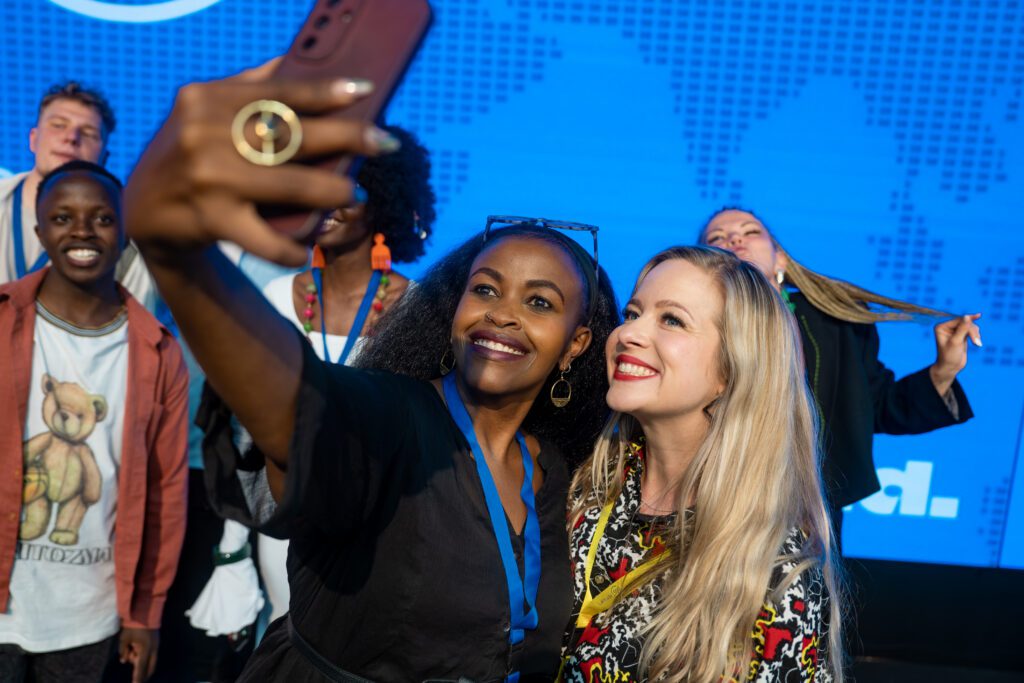
Latitude59 has always been international, but international doesn’t automatically mean interconnected. This year, the ambition is not just to host conversations, but to design the kind of environment where something tangible can come out of them.
And timing matters. AI is reshaping how people work and build. Defense, climate and sovereignty are no longer abstract topics, they are urgent and practical. Kai Isand, the Program Manager, points out that the idea is to create a space where people working on very different problems and in very different markets can learn from one another.
That is why this year’s theme will not live only on stage.
We’re shaping the whole conference around the idea that the most valuable outcomes often come from unexpected encounters. Kai describes it as designing for collisions that would not happen naturally: an Estonian founder meeting an East African climate entrepreneur, a Southeast Asian healthtech builder, or a NATO procurement officer – and realising they are closer to the same problem than they thought.
That thinking won’t just be present in spontaneous conversations but also in curated matchmaking, roundtables and spaces built to bring entire ecosystems together. The goal is to move beyond passive networking and make room for actual collaboration.
As Liisi puts it: “The most important part is that it doesn’t stay on stage. Of course, we’ll have bold conversations about AI, defense, climate, and the future. But the real experiment is in how people connect.”
The theme also ties naturally into Latitude59’s role as a meeting point between the New Nordics and the rest of the world.
For Liisi, the New Nordics are proof that the global village can work. Small countries like Estonia cannot afford to think locally for long. They have learned to combine strengths, collaborate across borders and build globally from the start.
Kai makes the same point through examples. Estonia, with its small population, produced companies like Skype and Wise and built one of the world’s most advanced digital states. Finland had Nokia, then rebuilt beyond it. In the Nordics and Baltics, global thinking is not branding – it is survival. That makes the region a credible host for a wider conversation about how ecosystems can connect across borders and still stay practical.
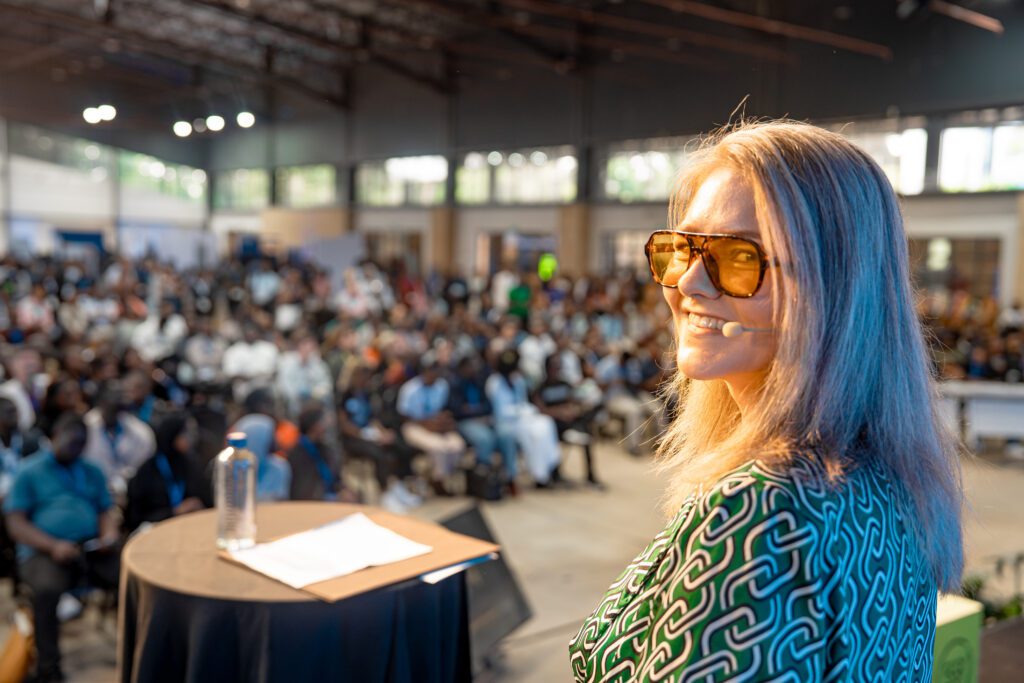
This is also the mindset Latitude59 is taking abroad. When the event shows up in places like Singapore, Kenya, and soon Latin America and Canada, it is not representing Estonia alone, but the New Nordics as a connected, outward-looking region.
And that makes the case for attending in person even stronger.
Most important things at Latitude59 will not be fully visible on the agenda. They will happen in the conversation that runs over time, in the room you almost did not walk into, and in the introduction that turns into a collaboration months later.
For founders, that can mean discovering a partner, market or insight they were not looking for. For investors, it can mean seeing high-potential founders in geographies they are not yet watching closely. For ecosystem builders, it is a chance to compare models, exchange practical lessons and open new channels between regions.
If there is one thing both Liisi and Kai hope people leave with, it is a shift in perspective: a sense that the future is not built by staying inside familiar circles.
“Building the future is not just about technology, but it is about people and us showing up,” says Liisi.
That may be the clearest way to understand The Global Village Experiment. It is not a slogan about global connectedness. It is a practical test of whether the right people, in the right setting, can turn openness into action.
Latitude59 2026 wants to bring that village together and turn those meetings into momentum.